
Aquaculture
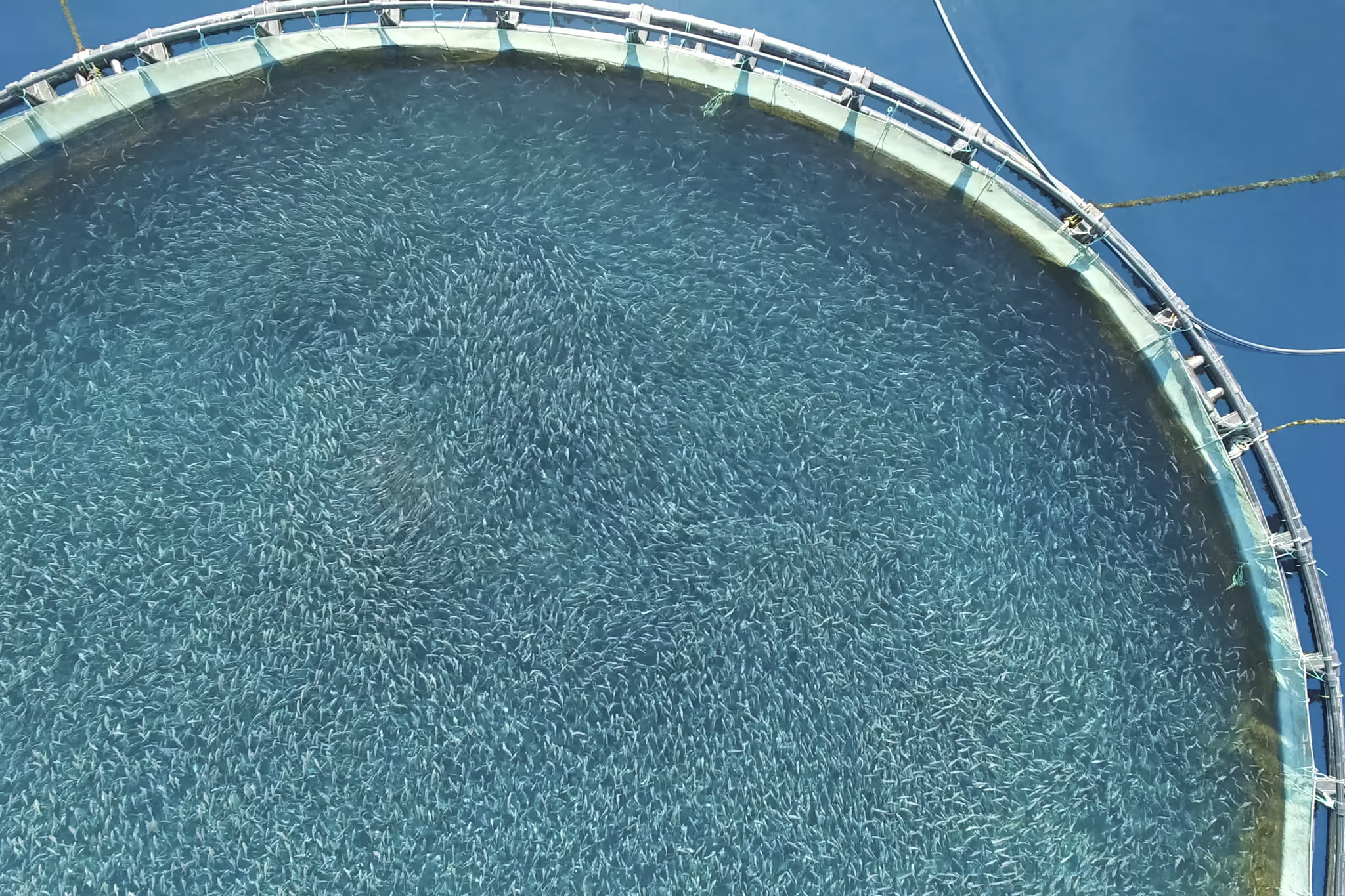
Sustainable resource utilisation in the aquaculture industry
The aquaculture industry produces large quantities of organic waste products that have traditionally been viewed as a costly waste challenge. At Antec, we view fish sludge and fish silage as valuable energy resources. By integrating our facilities into the value chain, we transform aquaculture waste into renewable energy and bio-fertilisers.
A profitable solution for residual products
We offer robust and circular handling of the largest fractions from both land-based and sea-based facilities:
Fish sludge We accept sludge from land-based fry hatcheries and post-smolt facilities (dried to a dry matter content of 20–25 %).
Fish silage We process silage from production waste and dead fish, ensuring safe, hygienised decomposition.
Circular economy: By processing this waste into liquefied biogas (LBG), the aquaculture industry contributes directly to zero-emission transport on land and at sea.
Benefits for the aquaculture operator
Collaboration with Antec gives the industry the opportunity to reach its sustainability goals faster:
Reduced environmental footprint: By capturing the methane potential in the sludge before it is disposed of or released, the industry's overall greenhouse gas emissions are reduced.
Local value creation Surplus energy and biofertiliser create ripple effects in the local community where the fish farms are located.
Total responsibility with the DBO model: Antec builds, owns and operates the facilities. This means that the fish farmer gets professional waste management without having to invest in or operate complicated biogas technology themselves.
From waste to resource: Our technology is particularly well suited for complex biomasses such as fish sludge, ensuring a stable production of biomethane and a nutrient-rich digestate that can be returned to agriculture.
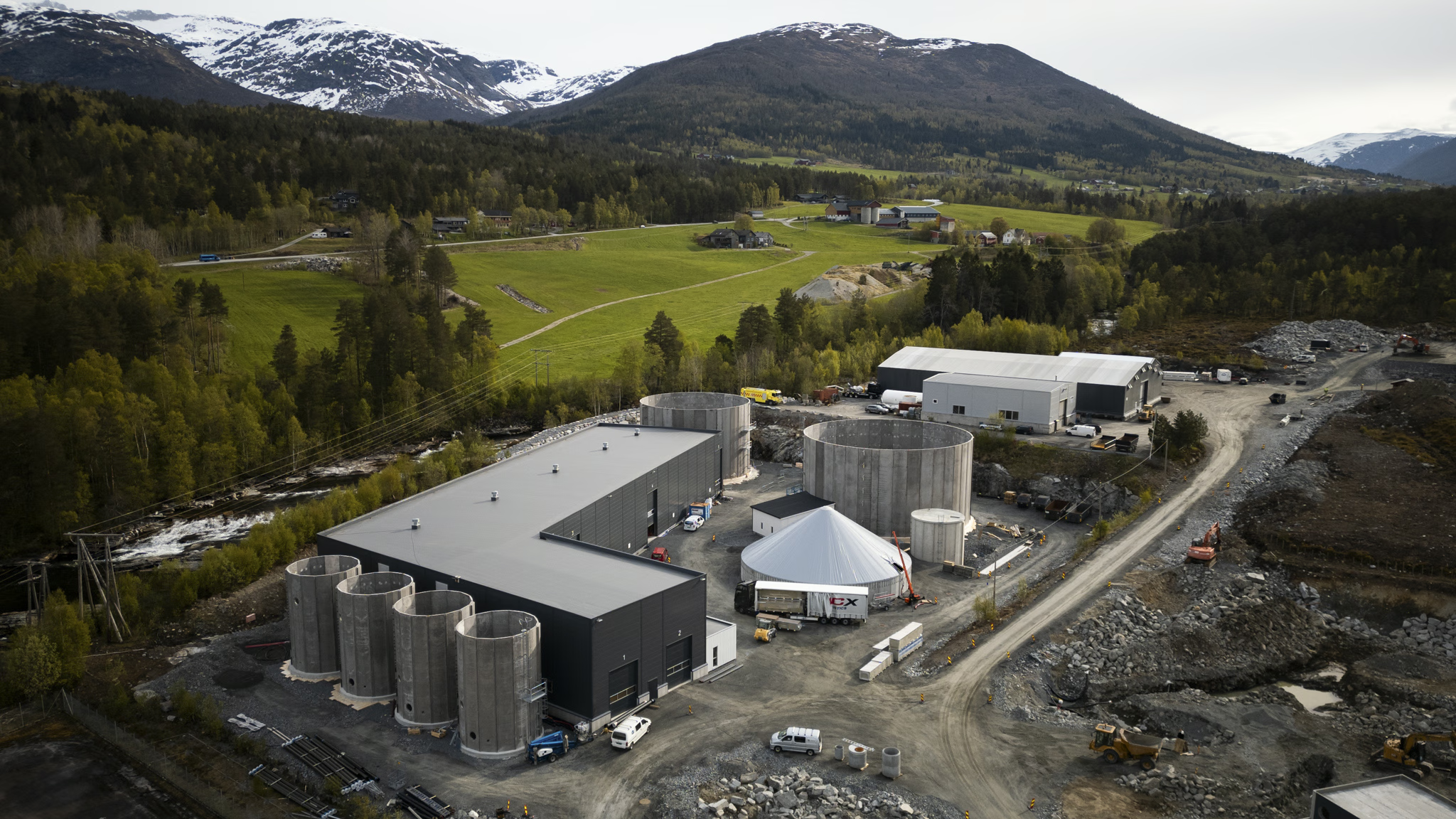
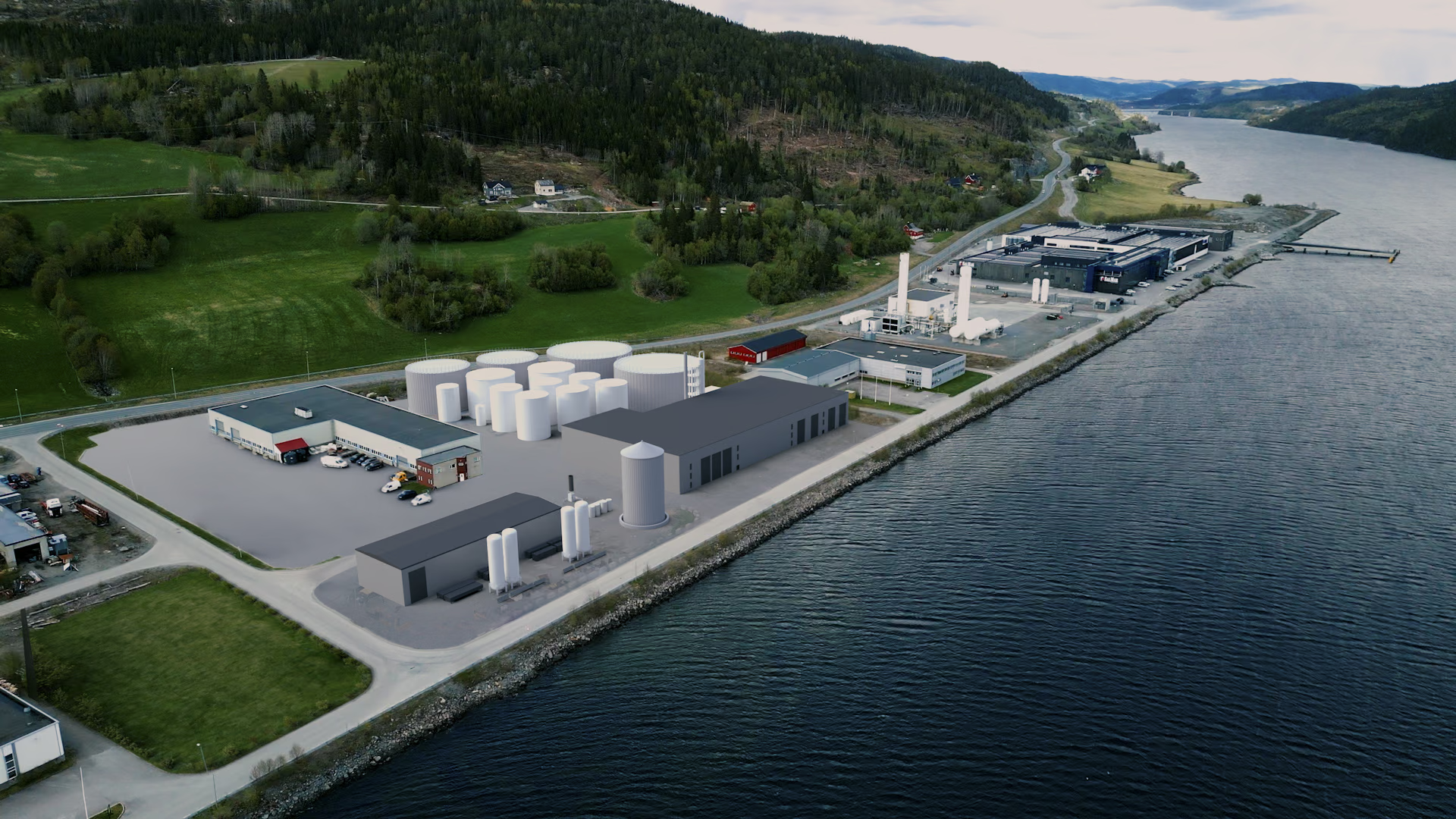
Plant
Our selected facility
Shall we create the future energy solution together?
Do you have access to biomass or a desire to establish a biogas plant in your region? We are looking for local partners who want to transform manure and organic waste into green energy and biofertiliser. Get in touch for a no-obligation chat about how we can create circular value in your local area.